
Issue
- The United States faces steeply increasing demand for electric power with the advent of power-hungry data centers, the rapid development of Artificial Intelligence (AI), and the electrification of vehicles. From a 2023 basis, generation increases of 25% by 2030 and 78% increase by 2050 are estimated.1
- To meet increasing demand, the Trump Administration established the National Energy Dominance Council2, chaired by the Secretary of the Interior and vice-chaired by the Secretary of Energy. The NEDC mission is to develop US energy dominance by deploying all forms of energy technology including nuclear energy. Several executive actions3,4 unleashing nuclear energy are part of the effort to meet this mission.
- Nuclear energy generation in the US has been steady over the last 20 years at about 700 million kilowatt-hours5. To address the anticipated increase in electricity demand, nuclear energy generation is one of several options to meet the needs.
The US severely constrained nuclear power generation after the 1979 Three Mile Island accident. Five decades later, several issues have influenced energy policy to renew our use of nuclear power: increasing electricity demand, the desire to reduce air pollutants and greenhouse gas emissions, land use and wildlife impact considerations, waste management, and national security.
Background – Mining Company Interaction with Government – How it is supposed to work
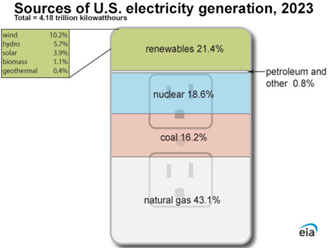
The current US electricity generation profile is shown in the figure below6. Although nuclear energy is a distant second to natural gas, it clearly provides an important energy component. To meet the anticipated increase in electric power generation needs, expanding all power generation technologies should be considered.
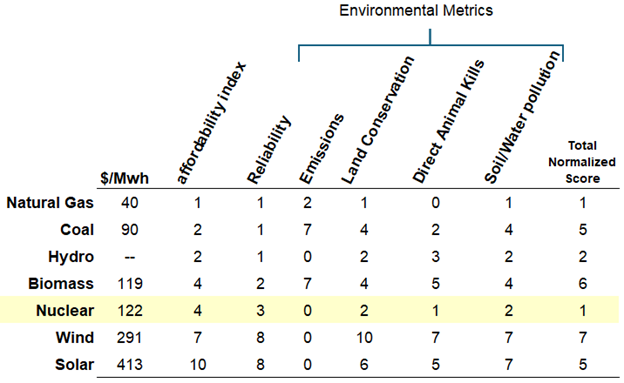
Evaluating technologies to expand electricity generation depends on the site and resources available. Besides costs, technologies should be evaluated on reliability and environmental impact. The Heartland Institute published a policy brief7 in 2025 that scored power generation technologies according to:
Affordability: More complex than cost per power output, affordability accounts for subsidies, backup power needs, and transmission infrastructure needs.
Reliability: Dispatchability is a primary metric of energy reliability. Coal, natural gas, and nuclear are considered 24/7 dispatchable baseload power because they can dependably provide reliable, on-demand power. Wind and solar power are intermittent and generate electricity less than 35% of the time. Backup power storage needed for intermittent sources adds to costs, increases resource needs, and supply chain burdens.
Environmental Impact: Scoring addresses emissions (carbon dioxide and general pollutants), land conservation, direct wildlife kills, and soil and water impacts from operations, construction materials, and fuel supplies.
The chart below presents the normalized scores from the study. Nuclear power clearly ranks among the most attractive options.
Other considerations not addressed in the Heartland scoring are:
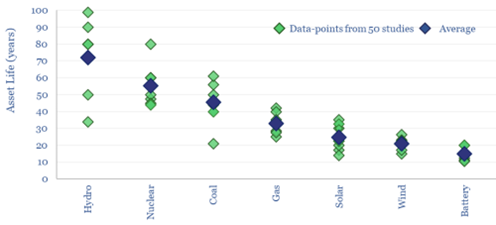
Operating Life: Nuclear plants continue to be refurbished past their initial lifetime. The chart8 below shows nuclear facilities among the more durable power generation assets.
Waste Management: This metric is complex to evaluate with considerations such as waste volume, hazard level, disposal difficulty, recycling potential, and long-term environmental risk. Coal fired generation produces higher quantities of waste with large ash and coal mining waste; whereas nuclear waste is a small volume but highly hazardous in character if not properly managed.
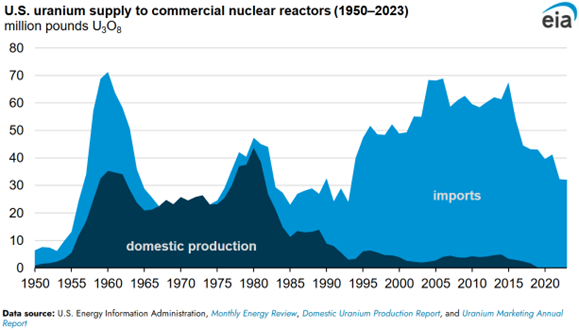
Fuel Resources: The cost and supply chain of the power generation method must be considered. Wind, solar, and hydro power fundamentally do not generate power from fuel. Both coal and natural gas have dependable sources within the US. Nuclear fuel however, has experienced dramatic US production changes, shown in the graph9 below. It is clear that in the context of energy independence, the US will need to develop domestic uranium resources and nuclear fuel processing and enrichment capabilities to support the development of increased nuclear power production.
National Security: The US Department of War identifies nuclear energy as a national security asset, powering the Navy’s submarines and aircraft carriers since 1955 and supporting deployment and modernization of both military and civilian industry10. Strengthening the domestic nuclear fuel cycle is clearly stated in the Presidential Executive Order on Reinvigorating the Nuclear Industrial Base3. The nuclear fuel cycle includes mining and processing nuclear fuel, reprocessing and recycling spent fuel, and safe waste disposal. Government funds are being made available to address technological gaps and advancements as well as to boost work force and education.
SME Statement of Technical Position
SME supports the following statements regarding increasing US nuclear power capacity:
- Nuclear energy is an important option to safely and economically increase the US electricity generating capacity needed to meet demands for the next several decades.
- Selecting a power generation technology for a site should consider reliability, longevity, and environmental impact as well as cost, waste disposal options, and fuel supply. Evaluation metrics should include capital and operating costs, transmission and grid consequences, fuel availability, environmental impacts, life of facility, and life cycle assessment. This evaluation should consider US national supply chain issues and national defense and security.
- The US has benefited from the safe and economic operation of the current fleet of nuclear plants for over 60 years.4
- The US recognizes the importance of nuclear energy from the perspectives of global economic leadership goals and national security. Federal support for nuclear energy research and workforce development should be increased to support these goals.
- Research supporting nuclear technology advancement, fuel processing and used nuclear fuel recycling, and workforce and education warrants federal government support.
References
- U.S. Demand Growth Forecast | ICF
- Establishing the National Energy Dominance Council – The White House
- Fact Sheet: President Donald J. Trump Reinvigorates the Nuclear Industrial Base – The White House
- WHAT THEY ARE SAYING: President Trump Unleashes Nuclear Energy to Power the Future – The White House
- U.S. Energy Information Administration - EIA - Independent Statistics and Analysis
- Electricity in the U.S. - U.S. Energy Information Administration (EIA)
- https://heartland.org/opinion/affordable-reliable-and-clean-an-objective-scorecard-to-assess-competing-energy-sources/
- Power generation asset lives? - Thunder Said Energy
- https://www.eia.gov/todayinenergy/detail.php?id=64444
- UCAN-Power-White-Paper-DOW-Nuclear-recommendations-Nov-2025.pdf